
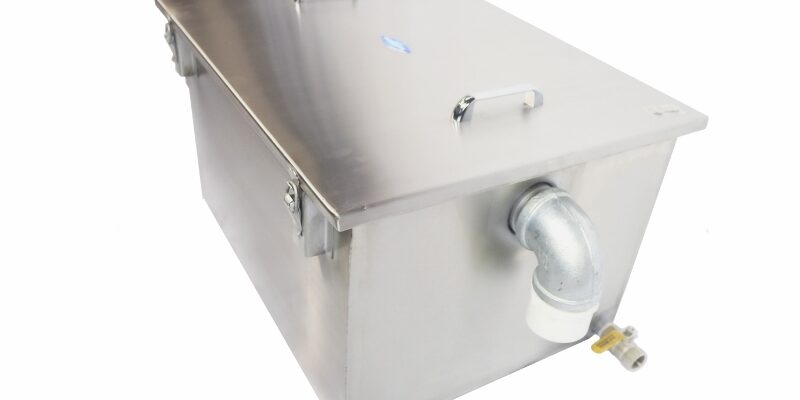
Importance of grease traps
In industrial kitchens, restaurants, hotels, and cafeterias, grease traps play a key role in preventing oil and greasy residue from entering the sewage system. However, their proper functioning does not depend solely on manual cleaning: they require constant biological treatment with specific bacteria.
In this guide, you’ll find out how to select the best bacterial alternative, what characteristics you should evaluate, and how to get the most out of this eco-friendly method.
Why apply bacteria in grease traps?
These systems accumulate food scraps, oils, soaps, and organic matter that, over time, cause:
- Unpleasant odors.
- Pipe blockages.
- Overflows with risk of environmental penalties.
- High maintenance costs.
Biological bacteria naturally break down these residues, keeping the system clean and avoiding the use of harsh chemicals.
Biological treatments for BOD reduction
Recommended bacteria for grease traps
For optimal results, the bacteria must be:
- 100% natural and environmentally safe.
- Capable of degrading fats, oils, lipids, and proteins.
- Resistant to detergents, pH variations, and temperature changes.
- Suitable for operations in kitchens, hotels, and processing plants.
An effective solution is Novomax Bloc-22, specially developed for biological control in grease traps.
Advantages of constant use of bacteria
- Natural odor neutralization.
- Prevention of overflows and blockages.
- Reduced need for mechanical cleanings.
- Decreased fat buildup in pipes.
- Compliance with hygiene and environmental regulations.
When applied regularly, the bacteria act continuously, effectively, and discreetly.
Conclusion
Biological treatment is the most efficient and sustainable alternative to keep grease traps clean. Choosing the right blend, applying it periodically, and relying on expert support from Novo Mundo ensures an odor-free, functional system that meets environmental requirements.
