
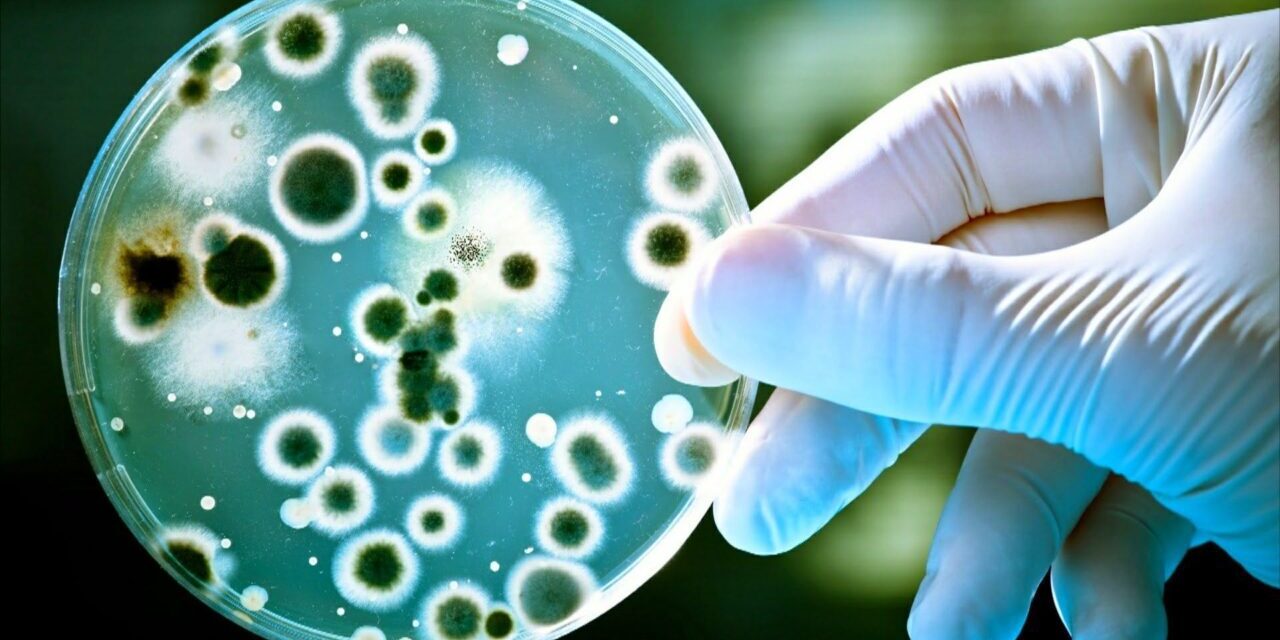
In the care of water and the preservation of the environment
Organic bacteria are essential living organisms that help maintain natural balance and promote a healthy environment. Unlike conventional chemicals, these bacteria work in harmony with ecosystems, breaking down organic matter and improving water quality without producing harmful compounds.
Types of bacteria and their role in ecosystems
Bacteria play diverse functions in nature and can be classified according to their contribution:
- Producer bacteria: generate oxygen and nutrients through processes such as photosynthesis or nitrogen fixation.
- Pathogenic bacteria: although some cause diseases, they are part of the natural balance of ecosystems.
- Symbiotic bacteria: coexist with plants and animals, facilitating nutrient absorption and improving overall health.
- Decomposer bacteria: essential for the degradation of organic matter and natural composting.
Why are they key to the ecological balance?
Ecological bacteria promote nutrient recirculation, contaminant removal, and the preservation of fertile soils. They also regulate vital processes such as the water and nitrogen cycles, which are essential for plant growth and ecosystem maintenance. In human health, bacteria such as those in the intestine play a critical role in digestion and in strengthening the immune system.
Uses in wastewater treatment
A key field of application for ecological bacteria is wastewater sanitation. These microorganisms degrade the organic matter present in water and help reduce pollution indicators such as Biological Oxygen Demand (BOD) and Chemical Oxygen Demand (COD). Their use in wastewater treatment plants allows effluents to be purified through aerobic and anaerobic processes, reducing reliance on chemical products and minimizing costs and environmental risks.
Advantages of constant use of bacteria
- Natural odor neutralization.
- Prevention of overflows and blockages.
- Reduced need for mechanical cleanings.
- Decreased fat buildup in pipes.
- Compliance with hygiene and environmental regulations.
When applied regularly, the bacteria act continuously, effectively, and discreetly.
Conclusion
Organic bacteria represent a strategic resource for environmental protection. Their ability to decompose waste, regenerate ecosystems, and treat water makes them essential allies in moving toward responsible production.
In environmental biotechnology solutions, bacterial formulations are available designed for applications in water treatment, the food industry, and various industrial processes. Would you like to learn how to integrate organic bacteria into your operation? Contact us and we’ll show you how to make it possible.
