
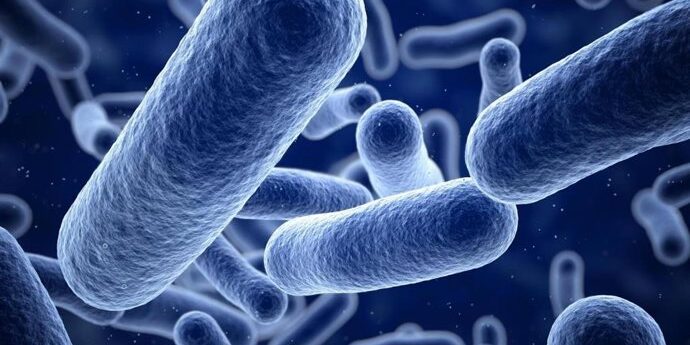
Using bacteria in water treatment is an effective, sustainable, and cost-efficient option for companies and industries seeking to comply with environmental regulations, reduce operating expenses, and improve the quality of their wastewater.
In this guide, you will find information on the different types of bacteria, how they work, and the most suitable applications based on the needs of your industry or treatment system.
Why use bacteria in water treatment?
These microorganisms have the ability to decompose organic matter, fats, sludge, hydrocarbons, and various pollutants, transforming them into harmless compounds. Thanks to this, they become a highly useful tool in:
- Industrial wastewater treatment plants
- Septic tanks, grease traps, and biodigesters
- Decentralized wastewater treatment systems
- Bodies of water impacted by pollution
Types of bacteria used in water treatment
1. Aerobic Bacteria
These bacteria require oxygen to remain active.
They function in aerated systems such as activated sludge, lagoons, and aerobic reactors.
They effectively reduce BOD, suspended solids, and unpleasant odors.
2. Anaerobic Bacteria
These bacteria do not need oxygen and work in enclosed spaces.
They are used in biodigesters, septic tanks, and UASB reactors.
They generate methane and CO₂ as decomposition products.
3. Bacteria Specific to Fats and Oils
Formulated to degrade lipids, soaps, and organic waste in grease traps and drains.
They reduce blockages, buildup, and unpleasant odors.
4. Bacteria Adapted to Industry
Developed for sectors such as food and beverage, hydrocarbons, and pharmaceuticals, among others.
They provide customized solutions according to the needs of each application.
Which sectors can benefit from biological treatment?
- Agribusiness
- Restaurants and hotels
- Food processing plants
- Chemical and pharmaceutical industries
- Municipalities and residential complexes
Each sector generates different types of organic load, making it essential to have a microbial mix tailored to the system. This allows for:
- Compliance with current environmental regulations
- Reduced sludge and maintenance frequency
- Control of unpleasant odors
- Prevention of penalties for polluting discharges
How are the bacteria applied?
The application method depends on the product form (powder, liquid, or tablet) and the type of installation:
- Grease traps: direct daily or weekly dosing
- Septic tanks and biodigesters: monthly or bi-weekly application
- Wastewater treatment plants: dosage adjusted to the flow rate, volume, and type of reactor
It is recommended to establish an application schedule and periodically monitor the system’s performance.
Conclusion
The use of bacteria in water treatment is an environmentally friendly, cost-effective, and reliable solution for multiple industries. Selecting the correct mixture and applying it regularly helps maintain system balance, optimize costs, and protect the environment.
We offer bacteria formulated for different applications, with expert technical support and broad coverage to ensure effective results.
